Sales teams waste hours switching between tools, chasing down context, and trying to figure out which platform actually moves deals forward. For teams deciding between Outreach and Pipedrive, the choice comes down to the team’s B2B outreach strategy and sales motion.
 Outreach vs. Pipedrive At a Glance
Outreach vs. Pipedrive At a Glance
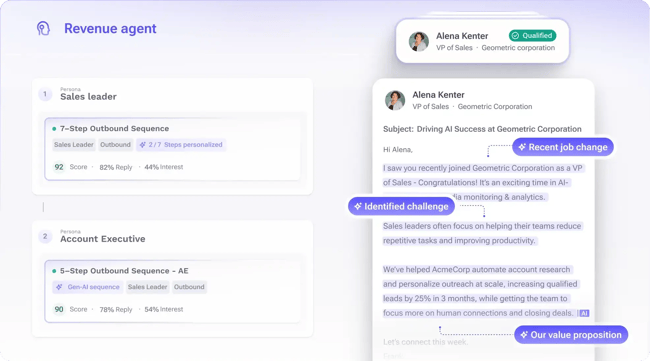
Outreach is a sales engagement platform built for teams running coordinated, multi-channel campaigns at scale. It automates sequences across email, phone, LinkedIn, and SMS while tracking every touchpoint. Outreach offers orchestration software for outbound teams that need to manage hundreds of prospects simultaneously without losing personalization.
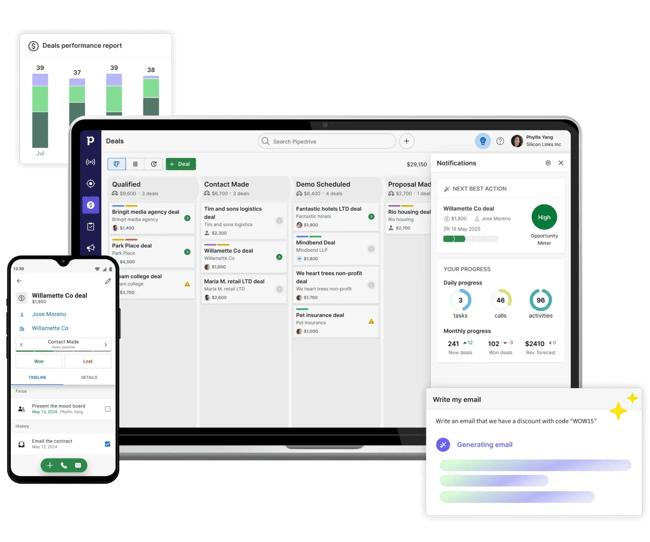
Pipedrive takes a different approach. It’s a visual CRM designed around pipeline management. Instead of focusing on automated sequences, it helps sales teams track deals through customizable stages, set reminders, and maintain contact records. The interface centers on drag-and-drop deal cards that show exactly where every opportunity stands.
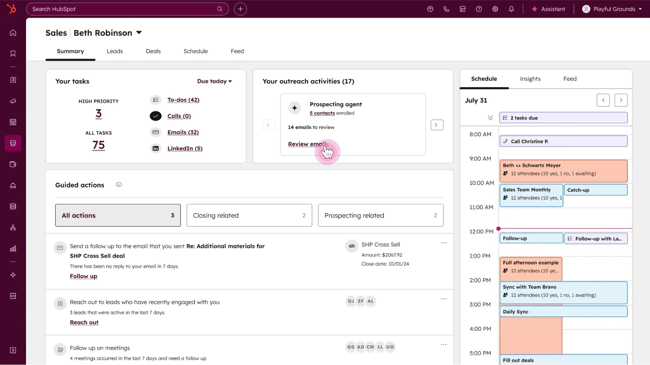
For teams working through this CRM buyer’s guide and evaluating both options, HubSpot Sales Hub offers a middle path. It combines Pipedrive‘s intuitive pipeline views with automation closer to Outreach’s capabilities, plus marketing and service tools that share the same database.
Outreach vs. Pipedrive for Pipeline Management
Outreach runs sequences. Pipedrive tracks sales pipelines. HubSpot Sales Hub does both while connecting your entire revenue team. However, each tool approaches workflows differently — from how teams structure sales coverage to how data flows between systems.
Here’s where each tool wins and where it falls short.
SDR-Led Outbound vs. Full-Cycle Sales
Sales teams structure their processes differently depending on deal complexity and team size. Some organizations separate prospecting from closing — SDRs generate leads and AEs close them. Others assign reps to own the entire customer journey from first touch to signed contract. The team’s pipeline management tool should match the team’s coverage model and handoff structure.
Here’s how each platform serves different sales motions:
- Outreach is built for SDR-to-AE handoff with specialized prospecting teams.
- Pipedrive focuses on full-cycle reps who own deals from prospecting through close.
- HubSpot can adapt to both models, supporting flexible sequences and pipeline management.
|
Aspect |
Outreach |
Pipedrive |
HubSpot |
|
Daily activity |
Persona-specific templates, local-dial presence, voicemail drop for 50+ touches per day |
Deal rotting alerts, probability scoring, timeline views for managing 20-30 active opportunities |
Sequences with up to 5 emails, automated tasks, and deal tracking in one platform |
|
Manager controls |
Sequence governance tools lock templates, enforce compliance, centralize best practices |
Workflow automation triggers follow-ups when deals move stages or emails arrive |
Playbooks for coaching, sequence analytics, and workflow automation across the customer lifecycle |
|
Primary optimization |
Volume, cadence discipline, and outbound execution at scale |
Deal health visibility and progression tracking across the full lifecycle |
Unified data across marketing, sales, and service for end-to-end revenue visibility |
Integrations and Data Flow
When evaluating sales engagement and CRM platforms, Outreach, Pipedrive, and HubSpot each take distinctly different architectural approaches that shape their capabilities and ideal use cases. Teams need to find a pipeline management solution that integrates with existing sales stacks.
Outreach positions itself as an engagement layer rather than a standalone CRM system, requiring Salesforce or another CRM to serve as the system of record. This makes it a specialized tool that enhances existing CRM infrastructure rather than replacing it. Pipedrive takes a middle-ground approach, functioning as both a CRM and engagement platform in one unified solution.
HubSpot offers the most comprehensive approach with its all-in-one platform that includes native CRM capabilities alongside integrated marketing, sales, and service tools.
|
Aspect |
Outreach |
Pipedrive |
HubSpot |
|
Primary integrations |
Deep Salesforce sync, conversation intelligence, dialers, and calendar scheduling for SDR workflows |
Marketing automation, accounting, proposals, and billing systems for full customer lifecycle |
1,900+ integrations, including Salesforce, Gmail, Outlook, Zoom, Slack, and custom APIs via Operations Hub |
|
Data sync |
Bi-directional with automatic logging of emails, calls, and sequence steps to CRM records |
Two-way email sync focused on deal context rather than mass sending infrastructure |
Native bi-directional sync across all Hubs with unified customer timeline and activity logging |
|
Hygiene features |
CRM hygiene automation cleans duplicates and standardizes data entry at scale |
LeadBooster tools (forms, chatbots, Prospector) pull leads directly into pipeline |
Operations Hub provides data quality automation, custom objects, and programmable workflows |
Sales Reporting
Reporting capabilities reveal different aspects of sales performance depending on what leaders need to monitor. Execution-focused reporting tracks how well reps follow processes and which tactics drive engagement. Pipeline-focused reporting shows where deals sit, which stages create friction, and what revenue is likely to close. Teams need visibility into both, but platforms emphasize different areas.
When evaluating sales engagement and CRM platforms, Outreach, Pipedrive, and HubSpot each take different approaches to reporting. Outreach focuses on execution-level metrics, emphasizing sequence performance and team activity.
Pipedrive centers reporting on pipeline metrics, tracking deal progression and conversion rates by stage. HubSpot offers unified reporting that spans pipeline, sequences, and revenue in customizable dashboards. This provides a more holistic view across the entire customer journey.
|
Aspect |
Outreach |
Pipedrive |
HubSpot |
|
Report focus |
Execution-level: sequence performance, team activity, how deals are being worked |
Pipeline metrics: deal progression, revenue forecasts, conversion rates by stage |
Unified reporting across pipeline, sequences, and revenue with customizable dashboards |
|
Core reports |
Sales execution, team performance benchmarks, sequence efficiency (email variants, drop-off points) |
Real-time dashboards with filtering by user, lead source, time period, and custom fields |
Deal forecasting by category, sequence performance, conversion funnels, and revenue attribution |
|
Data depth |
Up to 16 months of historical data with 24-hour refresh cycles |
Real-time updates with visual graphs surfacing bottlenecks instantly |
Real-time updates with weighted pipeline forecasts and AI-powered predictive analytics |
Territory management
Territory management structures how sales teams divide coverage across accounts, regions, or segments. Enterprise organizations often need formal territory hierarchies with automated roll-ups for forecasting and goal tracking. Smaller teams may only need basic geographic segmentation and lead routing. The level of sophistication required depends on organizational complexity and reporting needs.
Outreach offers enterprise-level territory hierarchies, making it ideal for large organizations with established territory structures already defined in their CRM. Pipedrive takes a visual approach with sales-area mapping through Google Maps integration, enabling geographic segmentation.
HubSpot provides workflow-based territory assignment using custom properties, round-robin routing, and configurable lead distribution logic. This approach offers flexibility for teams that want to automate assignment based on multiple criteria beyond just geography.
|
Aspect |
Outreach |
Pipedrive |
HubSpot |
|
Territory support |
Enterprise territory hierarchies synced from Salesforce with custom object support |
Sales-area mapping with Google Maps integration for geographic segmentation |
Workflow-based territory assignment using custom properties, round-robin routing, and lead distribution logic |
|
Territory types |
Non-geographic territories supported: product lines, verticals, custom segments |
Third-party integrations needed for advanced territory tools and auto-assignment |
Flexible territory logic based on any CRM property: geography, industry, company size, or custom segments |
|
Best fit |
Complex coverage models where multiple reps touch accounts or regional roll-ups are required |
Smaller teams or regional sales forces needing visual territory planning |
Mid-market teams needing automated lead routing without enterprise CRM complexity |
Sales Automation
Sales automation eliminates manual work by triggering actions based on prospect behavior, deal stage changes, or time-based conditions. Teams running high-volume outbound need different automation than those managing existing pipeline.
Each platform automates different parts of the sales workflow. Here’s how they work:
- Outreach specializes in multichannel engagement orchestration, allowing sales teams to coordinate sequences across email, calls, LinkedIn, and SMS at scale.
- Pipedrive focuses its automation on pipeline lifecycle management, automating deal creation, stage progression, and task triggering as prospects move through the sales process.
- HubSpot offers unified automation that bridges sales sequences and marketing/operations workflows, with cross-object triggers that connect activities across the entire platform for comprehensive customer journey automation.
|
Aspect |
Outreach |
Pipedrive |
HubSpot |
|
Sequence logic |
Multi-step sequences with branching based on prospect behavior, auto-pause for out-of-office |
Timed sequences with delays for drip campaigns and scheduled follow-ups |
Sequences with up to 5 emails plus tasks, with dynamic personalization and A/B testing |
|
AI capabilities |
AI flags at-risk deals, prioritizes tasks, and suggests next actions based on engagement patterns |
Trigger-action logic: deal moves stages → create task, send email, reassign owner |
AI-powered lead scoring, conversation intelligence, content recommendations, and deal risk alerts |
|
Data feedback |
Activity data feeds back into automation engine to optimize timing and messaging |
Cross-system workflows via Slack, Trello, and Zapier integrations |
Closed-loop reporting connects automation performance to revenue outcomes across the full funnel |
|
Best for |
High-volume outbound where the system tells reps which task to tackle next |
Managing existing opportunities with automated reminders and stage-based actions |
Teams wanting engagement automation and CRM in one platform without multiple integrations |
Revenue Operations
Revenue operations teams need tools that support process standardization, execution measurement, and revenue predictability. RevOps requirements vary based on business model, organizational maturity, and whether the company sells one-time deals or subscriptions.
Outreach takes a revenue operations approach centered on workflow orchestration. Its pipeline tools identify leaks, inefficiencies, and risks at every stage. Outreach includes tools that identify winning messaging and tactics, then scale them for consistent execution. This platform is best suited for organizations where RevOps owns process standardization and revenue predictability at scale.
Pipedrive focuses on recurring revenue management with unified operational data throughout the customer lifecycle. For forecasting, Pipedrive provides cash flow prediction and client lifetime value tracking. The platform offers smart reporting and automated follow-ups for sales and operations alignment. Pipedrive is ideal for businesses selling retainers, memberships, and recurring services that need simpler operations support.
HubSpot provides a unified platform that connects sales, marketing, and service. Its pipeline tools include coverage tracking, deal velocity analysis, and automated alerts. The platform includes a centralized content library and coaching workflows to support sales enablement. HubSpot is best for companies that want unified RevOps across the entire customer lifecycle.
|
Aspect |
Outreach |
Pipedrive |
HubSpot |
|
RevOps approach |
Workflow orchestration across entire sales motion with process standardization |
Recurring revenue management and unified operational data |
Unified platform connecting sales, marketing, and service with Operations Hub for data synchronization |
|
Pipeline tools |
Identify leaks, inefficiencies, and risks at every funnel stage with full-funnel visibility |
Track MRR, ARR, subscriptions, and billing cycles automatically in revenue reports |
Pipeline coverage tracking, deal velocity analysis, and automated alerts for pipeline health |
|
Forecasting |
AI-powered scenario modeling that explains why deals move in/out of pipeline |
Cash flow prediction, product performance analysis, client lifetime value tracking |
Weighted forecasts by deal stage or custom categories with AI-driven predictions and scenario planning |
|
Enablement |
Tools that identify winning messaging/tactics and scale them across teams |
Smart reporting, lead segmentation, automated follow-ups for sales/ops alignment |
Centralized content library, playbooks, conversation intelligence, and coaching workflows |
|
Best fit |
Organizations where RevOps owns process standardization and revenue predictability at scale |
Businesses selling retainers, memberships, and recurring services needing simpler ops support |
Companies wanting unified RevOps across the entire customer lifecycle without managing multiple systems |
Frequently Asked Questions about Outreach vs. Pipedrive
Can Outreach replace my CRM?
No. Outreach is a sales engagement layer that sits on top of your CRM, not a replacement for it. The platform syncs with Salesforce, HubSpot, or other CRMs to log activity and surface engagement data. You still need a system of record for contacts and deal tracking.
Does Pipedrive include outreach sequences?
Yes, Pipedrive offers email sequences and workflow automation for follow-ups. However, the platform lacks the multichannel orchestration, branching logic, and AI-powered prioritization that Outreach provides. Pipedrive’s sequences work well for relationship-based selling with moderate follow-up cadences, not high-volume SDR prospecting.
Can Outreach integrate with HubSpot CRM?
Yes, Outreach integrates with HubSpot’s CRM software. Activity data flows automatically into HubSpot contact and deal records, while contact and account data syncs back to Outreach. However, the integration is less robust than Outreach’s Salesforce connection, which was built first and remains the deepest integration.
Which is easier to implement for a small team?
Pipedrive is designed for quick setup with minimal configuration. Outreach requires sequence building, template libraries, CRM integration mapping, and manager training. Small teams often find Outreach’s complexity unnecessary unless running dedicated outbound at scale.
How do I decide between a point tool and a unified platform?
Ask whether the team needs best-in-class engagement orchestration or good-enough automation inside the CRM. Point tools like Outreach deliver deeper capabilities but require integration overhead. Unified platforms like HubSpot offer tighter data flow and simpler administration, though individual features may not match specialized tools. Choose based on team complexity and integration tolerance.
Outreach vs. Pipedrive: Which tool fits your sales motion?
Outreach and Pipedrive solve different problems. Outreach handles high-volume sequences for specialized SDR teams. Pipedrive manages visual sales pipelines for full-cycle reps. But neither offers the unified data flow that modern revenue teams need across marketing, sales, and service.
HubSpot Sales Hub is a common alternative for teams evaluating both options and comparing CRM examples in their sales stack. It delivers sequences, pipeline management, and CRM functionality without forcing reps to toggle between platforms or IT teams to maintain integration sync.
If you‘re comparing point solutions and want to avoid integration overhead, a unified platform deserves consideration. The trade-off is less sequencing depth than Outreach and fewer third-party CRM integrations than Pipedrive. However, for most teams, the operational simplicity and faster deployment outweigh specialized features they’d rarely use.
Ready to test a unified approach? Try HubSpot Sales Hub free and compare sequences, forecasting, and pipeline tracking without adding another tool to your stack.