Sales and marketing teams are increasingly turning to AI to take routine, time-consuming work off their plates. Research from Outreach shows that 45% of teams now use AI for account research, while 54% rely on it to support personalized outbound emails. As adoption grows, the challenge is no longer about whether to use AI. It’s about choosing the right tools for effective prospecting.
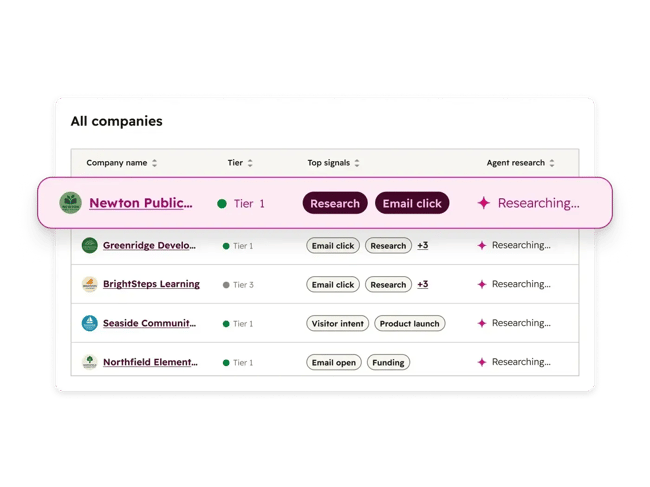
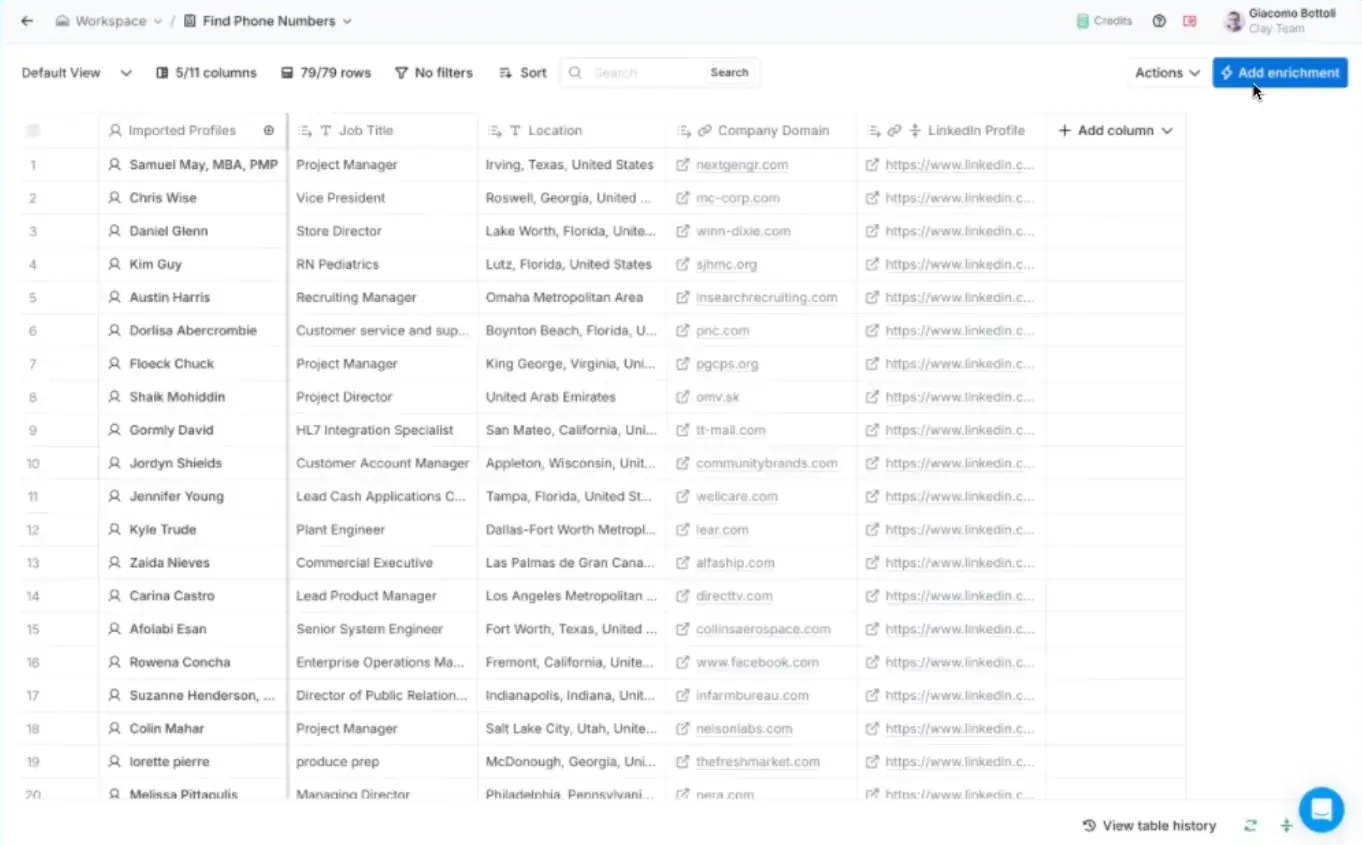
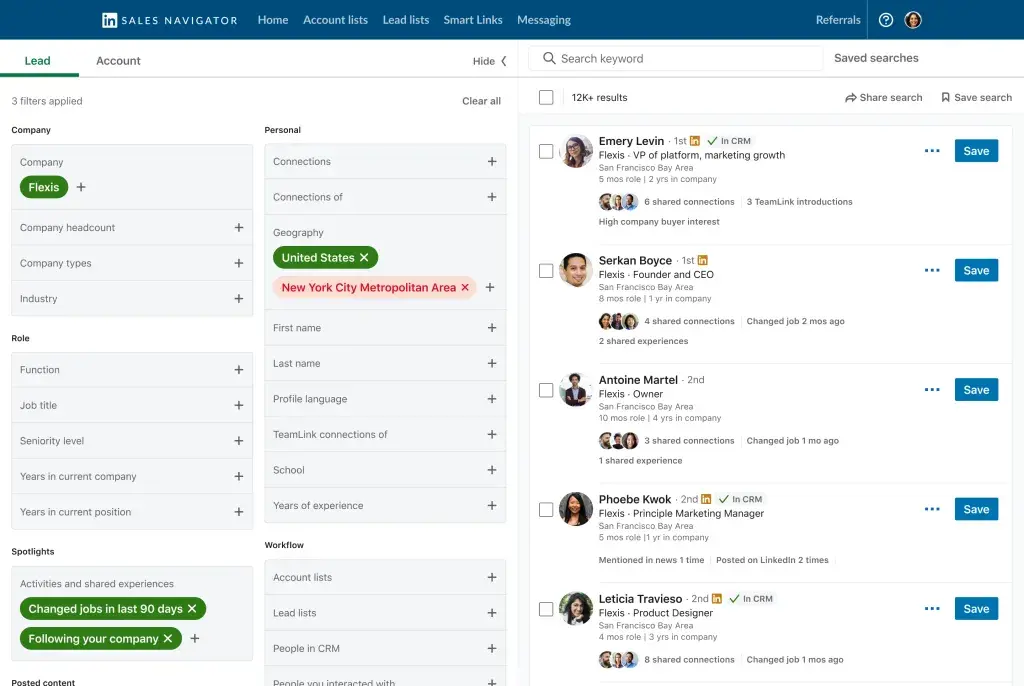
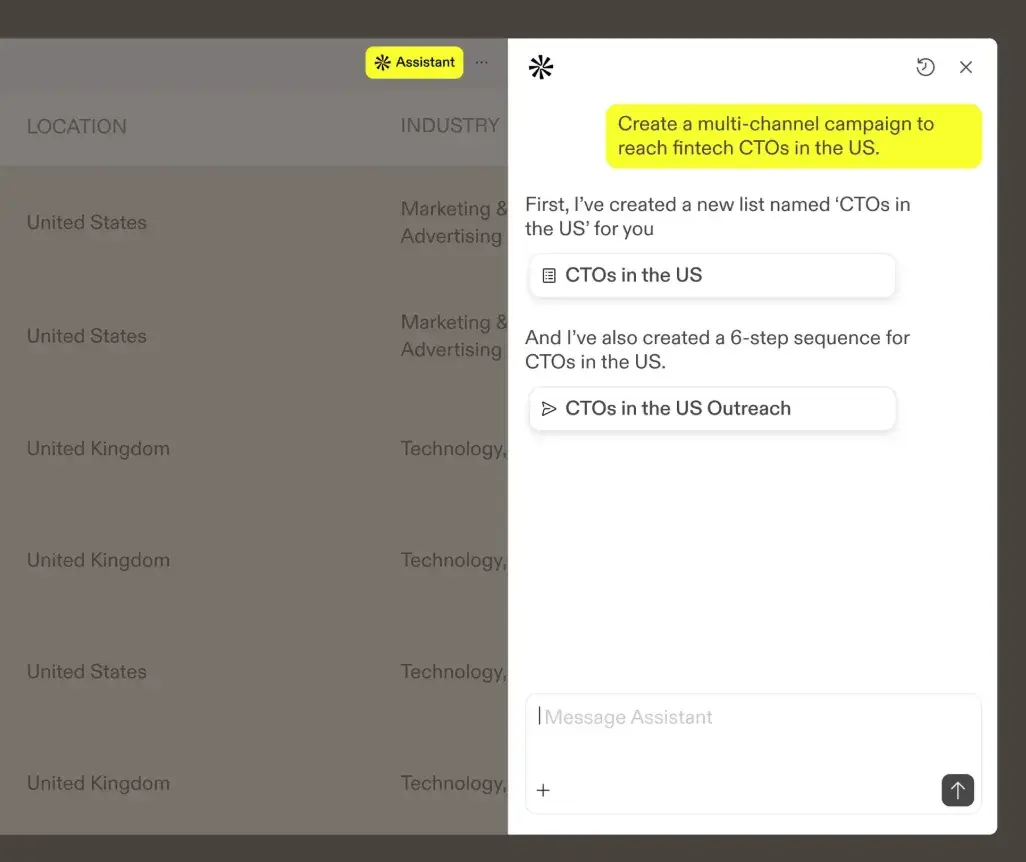
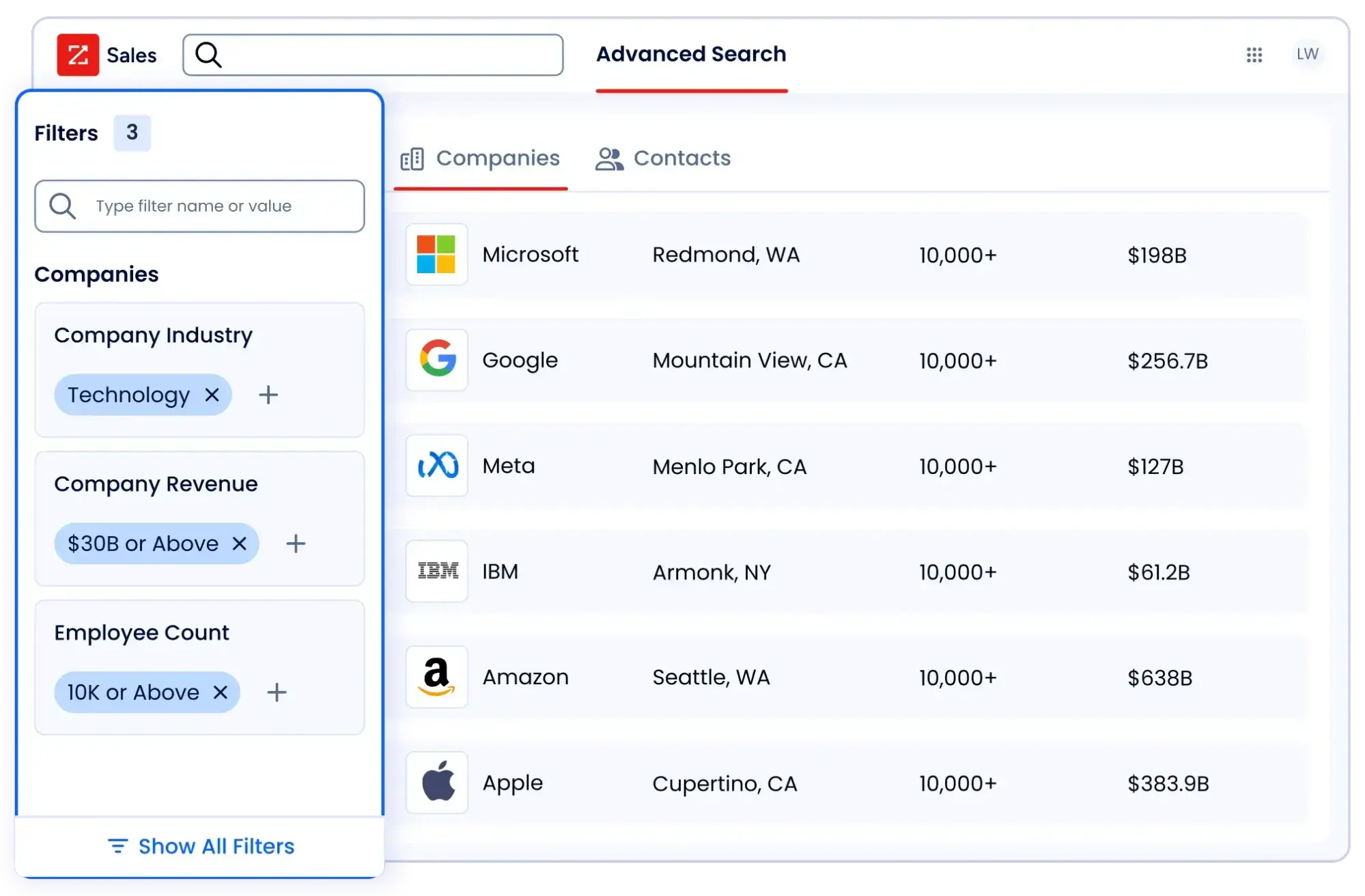
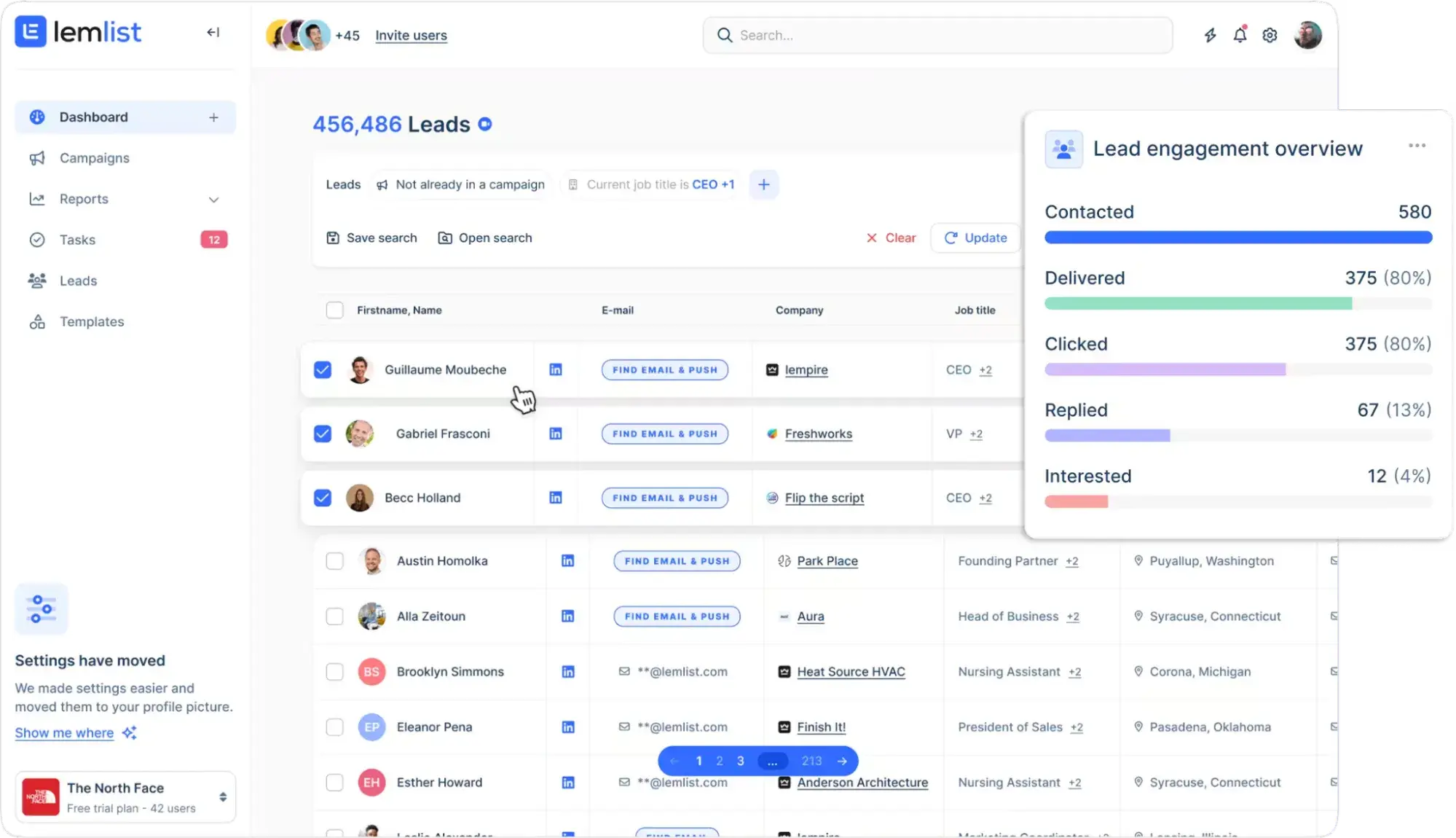
AI prospecting tools use machine learning and automation to help sales teams efficiently find and prioritize potential buyers. These tools analyze large volumes of data to identify accounts that match a company’s ideal customer profile (ICP) and are more likely to convert. This results in a prospecting process that scales without adding headcount or increasing manual work. Here are some insights AI-powered prospecting tools provide: AI prospecting tools work by combining access to large data sources with models that learn, over time, what a “good” prospect looks like. Instead of pulling random leads, the system looks for patterns in past wins, current pipeline data, and real-time buyer signals, then uses those patterns to surface similar prospects. The more data the tool can analyze, the better it becomes at identifying accounts that are worth pursuing. To do this, AI prospecting tools need access to: AI prospecting tools process the data in a few key steps. First, it analyzes historical patterns to understand which attributes and behaviors correlate with successful deals. Then the tool scans current data to identify accounts and contacts that match those characteristics. Finally, it continuously updates scores as new data comes in, so teams know which deals to prioritize. AI prospecting tools turn scattered data into a ranked list of prospects based on fit and intent. This allows sales teams to spend less time researching and sorting leads and more time engaging prospects who are more likely to move forward. Featured Resource: How AI Helps With Sales Prospecting [+ New Data and ChatGPT Prompt Templates for Sales Pros] Not all AI prospecting tools deliver the same value, even if they claim to do the same things. The difference usually comes down to how well the tool handles data quality, prioritization, and execution across the prospecting workflow. Here are some features to look for when evaluating prospecting tools. Real-time data enrichment ensures that prospect and account records stay current as conditions change. The tool continuously updates firmographic details, roles, company size, and engagement data as new information becomes available. Outdated data leads to misrouted outreach and irrelevant messaging. Strong AI prospecting tools automatically enrich data in the background, so sales teams always work from accurate, complete profiles without having to manually add information to the CRM. Predictive lead scoring ranks prospects by using past deal data and current signals. It shows how likely each prospect is to convert. The AI analyzes patterns across closed-won and closed-lost deals to understand what drives success rather than relying on basic rules or gut instinct. Then it ranks prospects accordingly, with the higher number indicating a higher chance of conversion Sales reps can focus first on leads that show both a strong fit and high buyer intent. For sales managers and RevOps teams, predictive scoring also makes pipeline creation and forecasting more consistent. Intent signal detection helps identify when an account is actively researching the product/industry or preparing to buy. AI prospecting tools track behaviors such as content engagement, product research, website activity, hiring signals, and third-party intent data, which provide context around timing, not just fit. When combined with firmographic data, intent signals help sales teams prioritize outreach when interest is highest, improving response rates and reducing wasted touches on inactive accounts. A good prospecting tool should recheck data regularly to catch job changes, invalid email addresses, or disconnected phone numbers. This protects sender reputation, which improves deliverability and reduces bounce rates. For teams running high-volume outbound motions, continuous verification also prevents data decay from undermining prospecting performance. An AI prospecting tool with multi-channel, personalized outreach enables teams to engage prospects across email, LinkedIn, calls, and other channels within a single workflow. The AI uses prospect data, intent signals, and past interactions to tailor messages based on role, industry, and buying stage. AI prospecting tools keep sales outreach relevant without requiring reps to manually customize every message. When done well, personalization feels informed rather than automated, which helps teams scale outreach without sounding generic. AI prospecting tools integrate with CRMs, such as HubSpot Smart CRM, to ensure prospecting activity stays connected to the rest of the sales process. These tools both pull data from the CRM and automatically push updates back. Up-to-date information prevents data silos and keeps reporting accurate. Smooth integration with CRMs also enables AI models to learn from real-world outcomes, which improves recommendations over time as deals progress or close. Some AI prospecting tools act directly on behalf of sales teams through AI agents, which handle autonomous qualification and follow-up tasks. For example, HubSpot’s Breeze uses agentic AI and embeds natively into the HubSpot ecosystem. Breeze can compile prospecting lists, draft personalized emails, and automatically follow up. AI agents reduce manual workload while keeping prospecting aligned with broader sales workflows and goals. Featured Resource: Sales Automation: How to Improve Efficiency and Meet Your Goals AI prospecting tools vary widely in how they source data, support workflows, and fit into existing sales stacks. To separate surface-level features from real-world value, the tools in this list were evaluated based on how well they support scalable, day-to-day prospecting. Here’s what we looked for: AI prospecting tools deliver the most value when they’re used for the jobs they were designed to perform. Some are built to automate prospecting end-to-end, while others are better suited for research-heavy sales motions, outbound at scale, or highly personalized outreach. Below is a breakdown of the best AI prospecting tools and the use case they’re each best suited for. Breeze Prospecting Agent is an AI agent within Breeze, HubSpot’s suite of AI-powered tools that support sales and go-to-market (GTM) teams. It handles the early stages of sales prospecting by identifying relevant prospects, enriching data with verified contact and firmographic info, and moving leads into active sales workflows. Breeze Prospecting Agent stands out because it works seamlessly within the HubSpot ecosystem. Any prospecting activity, enrichment, or updates flow straight into HubSpot Smart CRM, without requiring third-party integrations or manual syncing. Since HubSpot also includes dedicated Hubs for marketing, sales, content, operations, and support, all customer-facing teams can work from the same up-to-date source of truth. Marketing teams can adjust targeting, sales teams can prioritize outreach, and operations teams can maintain clean reporting from the same dataset. Pricing: Breeze Assistant and select Breeze features are free in HubSpot. Breeze Agents and advanced AI capabilities are available across the customer platform, starting at $1,300/month, billed annually. What we like: Breeze Prospecting Agent keeps prospecting, enrichment, and execution in one platform, so there’s no need to switch tools. Breeze shares data across all customer-facing teams, supporting cleaner workflows and smoother handoffs. Best for: Running AI-driven prospecting directly inside HubSpot’s Smart CRM, with tight alignment between prospecting activity, pipeline data, and revenue reporting. Clay is a prospecting and data enrichment platform designed for teams that want to control how prospects are discovered, enriched, and qualified. It connects to multiple data providers and APIs, and then lets teams define how that data should be used. This makes Clay well-suited for sales and RevOps teams working with complex ICPs or non-standard targeting criteria. Clay helps sales teams enrich records, apply custom logic, and automatically route qualified prospects to downstream sales tools. This creates a prospecting workflow that adapts to market shifts. Pricing: Clay offers a free plan with 1,200 credits per year. The paid plans start at $134/month, billed annually. What we like: Clay stands out for how much control it gives sales and RevOps teams over prospecting logic. It doesn’t impose a single definition of a “good lead,” making it ideal for complex, evolving sales motions. For teams tired of rigid tools and shallow enrichment, Clay offers a more adaptable way to build high-quality prospect pipelines. Best for: Building highly customized prospect lists and enrichment workflows using multiple data sources and flexible prospecting logic LinkedIn Sales Navigator is a prospecting and sales intelligence tool built around LinkedIn’s professional network of over 1 billion users in 200+ countries. It helps sales teams identify the right people within target accounts by surfacing role changes, organizational context, and relationship paths that traditional databases don’t capture. For sales teams, Sales Navigator is most effective when prospecting is closely tied to account-based selling or relationship-driven outreach. It helps reps understand who the decision-makers are, how their teams are structured, and when internal changes create new entry points. Pricing: LinkedIn Sales Navigator offers a 30-day free trial. The paid plans start at $79.99/month, billed annually. What we like: Sales Navigator excels at adding human and organizational context to the prospecting process. It shows recent role changes, shared connections, and how teams are structured within an account, helping sales reps reach out at optimal times with relevant messaging. Best for: Relationship-based and account-level prospecting that relies on social signals, role changes, and buying committee visibility Apollo.io is a prospecting and outbound sales platform. It combines a large contact database with prospecting, email sequencing, and basic automation features. Apollo is built to support consistent outbound execution at scale. It helps reps identify target accounts, access contact details, and launch outbound campaigns without stitching together multiple tools. This makes it especially practical for SMB and mid-market teams that need to keep prospecting simple while maintaining steady outbound momentum. Pricing: Apollo.io offers a free plan with 900 credits. The paid plans start at $49/user per month for 30,000 credits, billed annually. What we like: Apollo.io combines prospect discovery, contact data, and outreach in one place. This reduces setup time and makes operations smoother. For teams that value speed and simplicity, this platform offers a practical way to generate pipeline and engage prospects without overcomplicating the stack. Best for: High-volume outbound prospecting where speed, coverage, and efficient pipeline generation are prioritized ZoomInfo is a sales intelligence platform. It helps sales teams understand who to contact, how organizations are structured, who makes buying decisions, and when accounts might start buying. Sales teams typically rely on ZoomInfo when deal sizes are larger, and outreach needs to be informed by account-level insight. The platform supports prospecting motions where understanding departments, seniority, intent signals, and company changes directly affect win rates. Pricing: ZoomInfo offers a free trial. The paid plans are not publicly available. What we like: ZoomInfo helps sales teams prospect with a clearer understanding of who matters within an organization and when outreach is most likely to be effective. For complex B2B sales cycles, that level of context can make a meaningful difference in both efficiency and deal quality. Best for: Strategic prospecting that depends on deep account intelligence, intent signals, and visibility into complex organizations lemlist is a prospecting and sales engagement platform that helps sales reps turn prospect data into structured, personalized campaigns across email and other channels. It provides access to a large prospect database and AI-powered lead discovery. Then it helps teams run personalized outreach campaigns. This platform fits workflows where teams want to source leads, enrich them with context (like verified email addresses and phone numbers), and turn that information into relevant messaging in one place. Pricing: lemlist offers a 14-day free trial. The paid plans start at $63/user per month, billed annually. What we like: lemlist reduces handoff friction that often slows outbound teams by combining prospect discovery, enrichment, and messaging into one workflow. This makes it easier for reps to stay focused on execution while still grounding outreach in real prospect data. Best for: Turning enriched prospect data into relevant, role-specific outreach without building custom workflows Featured Resource: B2B Prospecting: The 11 Best Methods You Should Be Leveraging No, perfect data is not required to start using AI prospecting tools. Most tools are designed to work with incomplete or messy data and improve over time through enrichment and verification. What matters more is having a reasonably defined ICP and clean core fields. Keeping AI-generated outreach on brand starts with clear guidelines. Sales teams should define tone, approved language, and compliance rules upfront, then limit what AI can generate within those boundaries. Human reps should regularly review AI-generated emails and messaging. Reps should then set up human approval loops to ensure that outreach is personalized and accurate before sending. Automate low-value, repetitive work such as lead research, data enrichment, list building, and initial prioritization. Automating these steps with AI prospecting tools frees reps to focus on messaging and conversations. Automating outreach itself can follow later, once teams trust the data and targeting logic driving those initial automations. Teams should limit how many messages AI can send, require clear fit and intent signals before outreach begins, and keep humans involved in first-touch messaging. Excluding current customers, active deals, and recently contacted prospects also helps ensure outreach stays relevant and respectful rather than repetitive. A switch makes sense when the prospecting process is clearly defined. If data is reliably enriched and outreach sequences perform consistently, AI agents like Breeze Agents can safely take on tasks such as research and follow-up drafting. If the sales motion still changes weekly or data is messy, assistive AI is safer because it keeps humans in the loop for judgment calls. AI-powered prospecting tools have become essential as sales teams navigate larger markets, longer buying cycles, and increasing pressure to do more with less manual effort. The right tools help teams surface the right prospects and execute personalized outreach campaigns. For teams already using HubSpot CRM — or those looking to bring sales, marketing, and service into a single system — Breeze Prospecting Agent offers a more integrated approach. It identifies prospects and enriches leads directly inside the HubSpot CRM, with no integrations required. Other Breeze Agents handle tasks such as drafting emails and scheduling meetings, while HubSpot’s Hubs ensure that every customer-facing team works from the same up-to-date data. To see how the Breeze Prospecting Agent works in practice, book a demo today.Must-Have Features in AI Prospecting Tools
What are AI prospecting tools?
How do AI prospecting tools work?
Must-Have Features in AI Prospecting Tools
1. Real-Time Data Enrichment
2. Predictive Lead Scoring
3. Intent Signal Detection
4. Continuous Verification
5. Multi-Channel, Personalized Outreach
6. CRM Integration
7. AI Sales Agents
How We Chose the Best AI Tools for Sales Prospecting
Best AI prospecting tools by use case
1. Breeze Prospecting Agent: Best overall AI prospecting tool
Key Features
2. Clay: AI prospecting tool for data enrichment and research
Key Features
3. LinkedIn Sales Navigator: AI prospecting tool for social selling and relationship-based outreach
Key Features
4. Apollo.io: Best AI prospecting tool for outbound at scale
Key features
5. ZoomInfo: AI-powered go-to-market platform for deep account intelligence
Key features
6. lemlist: AI prospecting and engagement platform for personalized outbound messaging
Key features
Frequently asked questions about AI prospecting tools
Do I need perfect data before using AI prospecting tools?
How do I keep AI-generated outreach on brand and compliant?
What should I automate first in prospecting?
How do I prevent AI from spamming my prospects?
When should I switch from assistive AI to agents?
Scaling smarter prospecting with Breeze Prospecting Agent